920 S. Hover St. Longmont CO 80501
Published on Nov 3, 2025 | 4 minute read
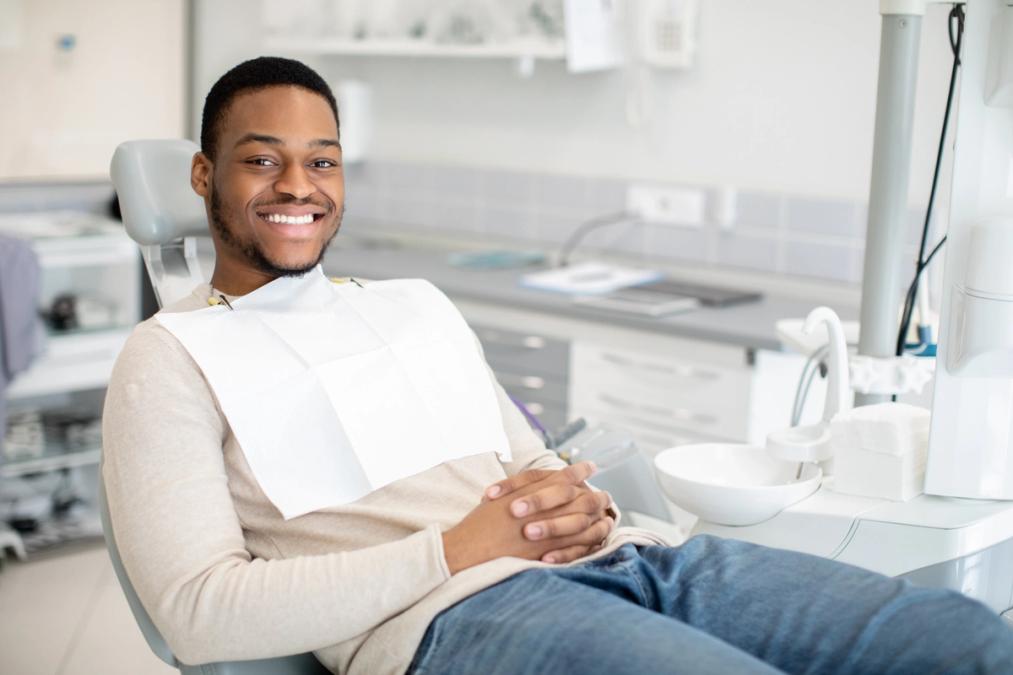
Heard that root canals are scary? In reality, they’re a pain-relieving procedure that can save a tooth and stop the throbbing that keeps you up at night. With modern techniques and careful numbing, most patients finish wondering why they waited.
Inside every tooth is soft tissue called the pulp, which contains nerves and blood vessels. Deep decay, cracks, or trauma can inflame or infect the pulp, causing pain and sensitivity. Root canal therapy removes the infected tissue, disinfects the canals, and seals them to prevent reinfection. Finally, a crown often strengthens the tooth for long-term function.
Mild tenderness is normal for a day or two. Over-the-counter pain relief usually works well. Avoid chewing hard foods on the treated side until your final crown is placed. Most people return to work or school the same day.
With a strong crown and good home care, many last decades. Success rates are high, and retreatment is possible if issues arise later. Consistent checkups help us monitor your restoration and surrounding gum tissue.
Will I need antibiotics? Only if there’s swelling or systemic signs of infection.
Why a crown afterward? The tooth can become brittle after treatment. A crown protects it during chewing.
Is it expensive? We’ll review your benefits and give you a transparent estimate before we start.
If tooth pain is stealing your focus, relief could be closer than you think. Root canal therapy is precise, efficient, and designed to help you keep your natural tooth.
Ready to stop the throbbing? Call Artistic Smiles in Longmont, CO at 303-485-8888 to Call Us Today and get a same-day evaluation with a clear plan for comfort.
Experience the Artistic Smiles difference. Contact us now to book your appointment with Dr. Trey Thygerson, your expert dentist in Longmont, CO. Let us help you achieve the healthy, beautiful smile you deserve. Your trusted dental home in Longmont since 1998. Dr. Trey Thygerson and our compassionate team deliver exceptional care with a personal touch.
